Dexter K71-148-00 Guide: Bearing Lubrication, Oil vs. Grease, and Axle Compatibility
For trailer operators and fleet managers, the k71-148-00 cap is more than a small replacement part; it is a key component in keeping hubs sealed, bearings protected, and maintenance predictable. If you are comparing k71 148 00 options for a hotshot trailer or a heavy-duty axle setup, the right choice can reduce downtime and help avoid costly bearing damage.
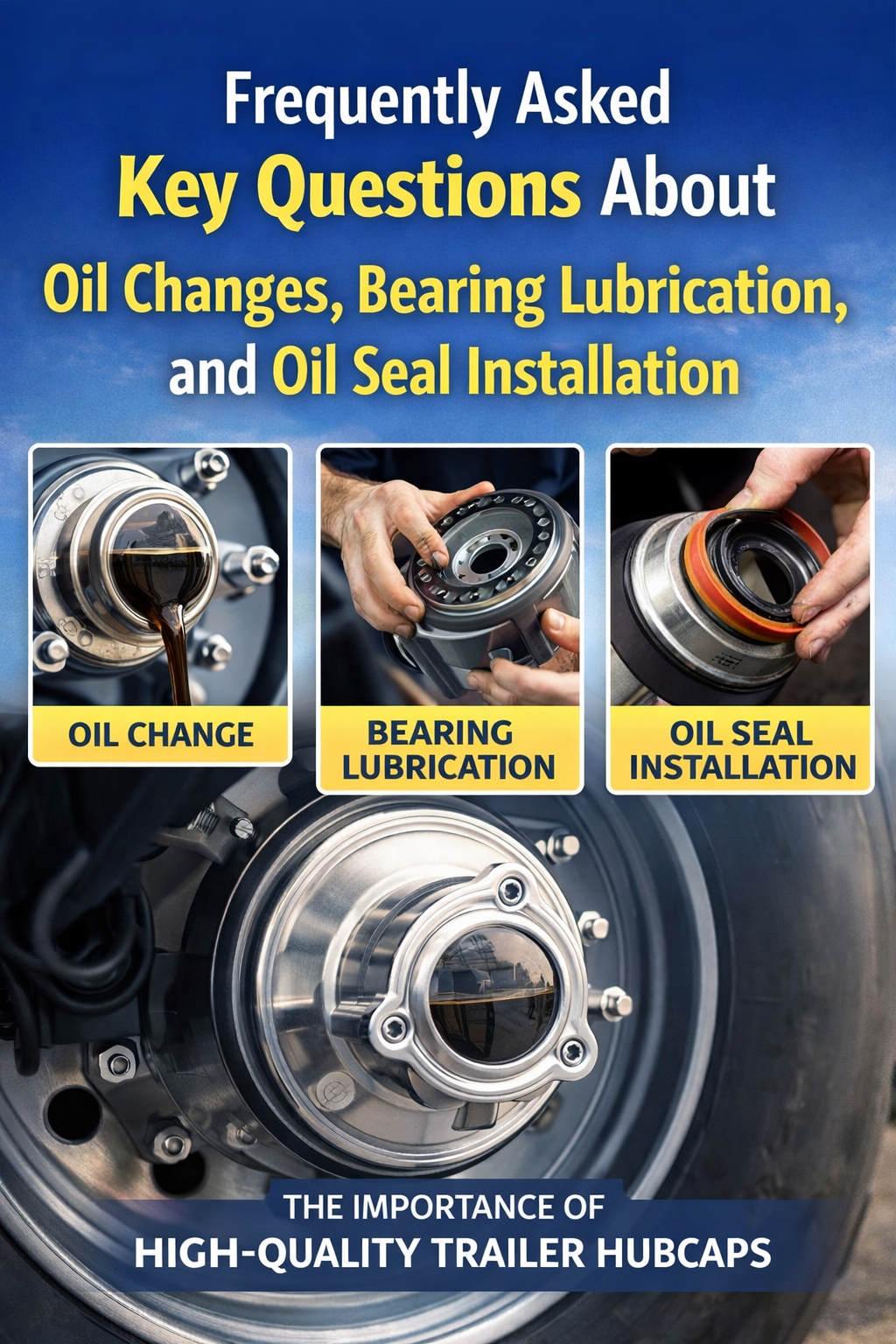
How to Lubricate Your Bearings
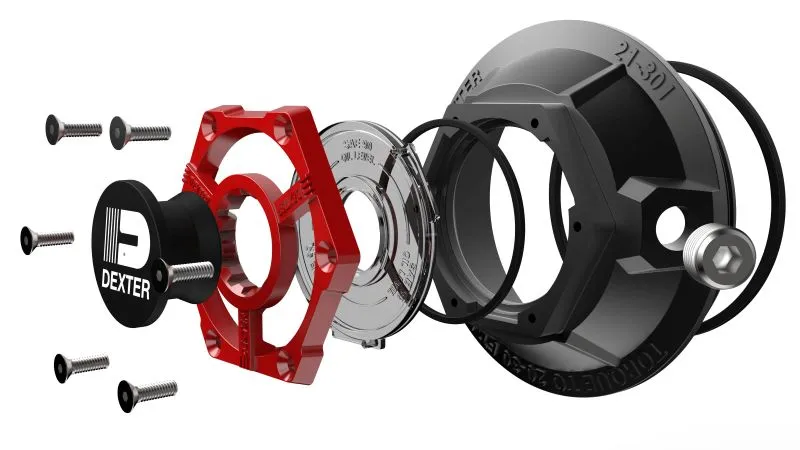
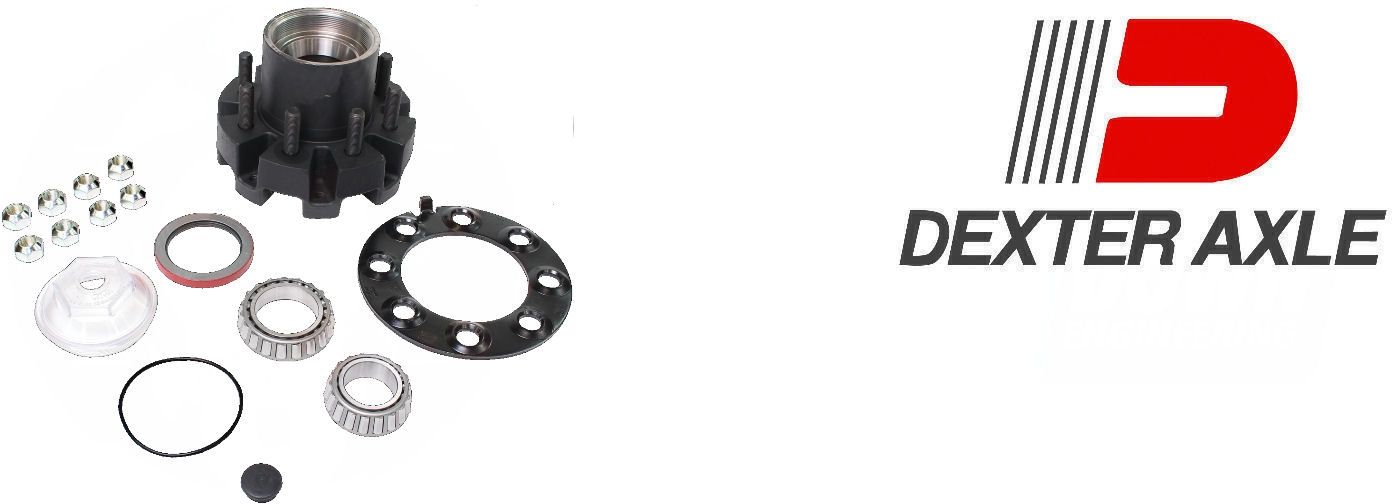
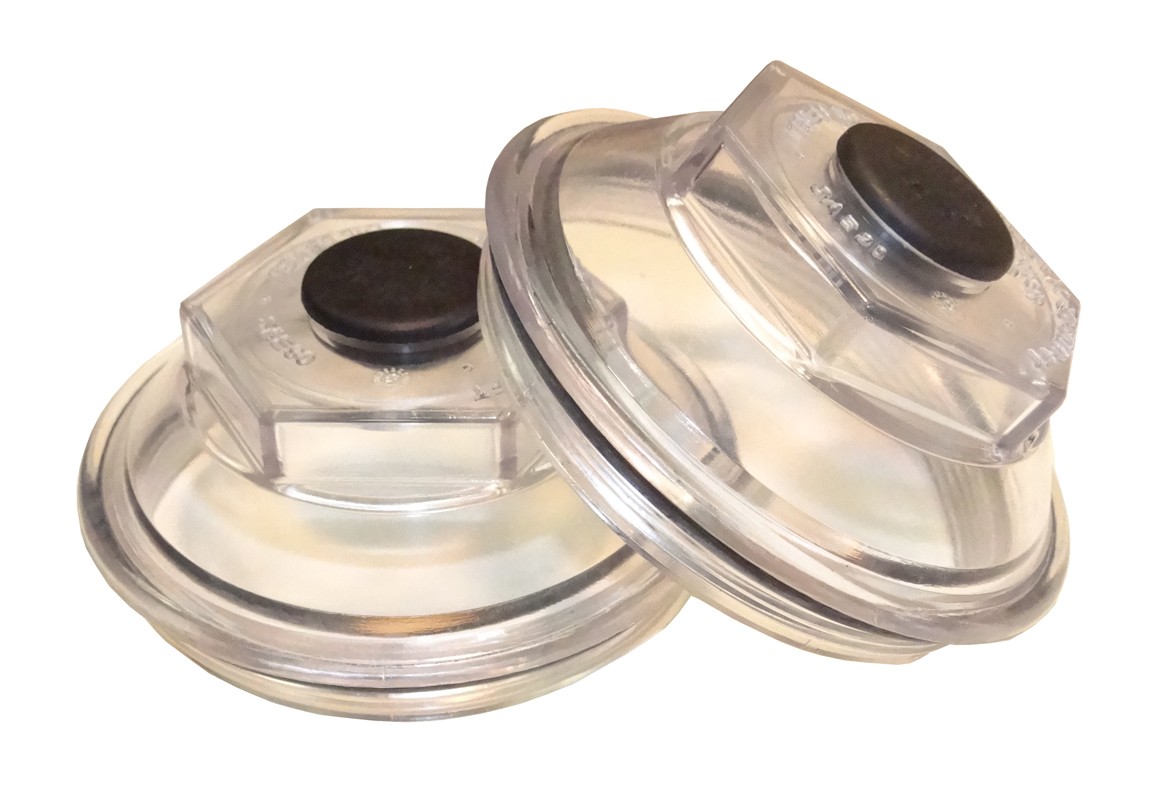
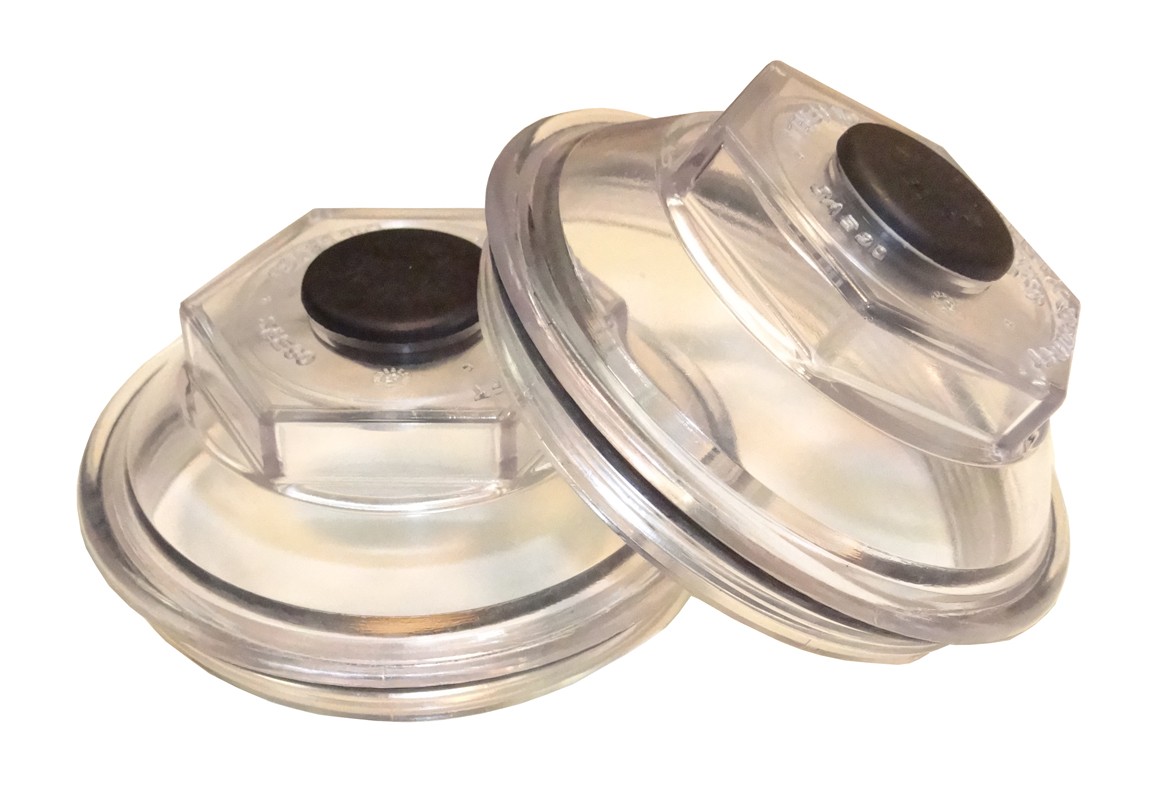
Bearing lubrication starts with knowing whether your hub is designed for oil bath or grease service. The K71-148-00 is used on Dexter 9K, 10K, 12K, and 15K hubs with 4″-12 threads, and it is supplied as an oil cap, O-ring, and plug kit. That matters because the cap style and lubrication type must match the axle setup before any maintenance is done.
For grease-lubricated bearings:
- Remove and inspect the hub before repacking.
- Clean the bearings thoroughly and apply the correct grease.
- Replace seals if they show wear or contamination.
- Reassemble carefully to avoid over-tightening or seal damage.
For oil-bath bearings:
- Check the oil level through the cap window or fill point.
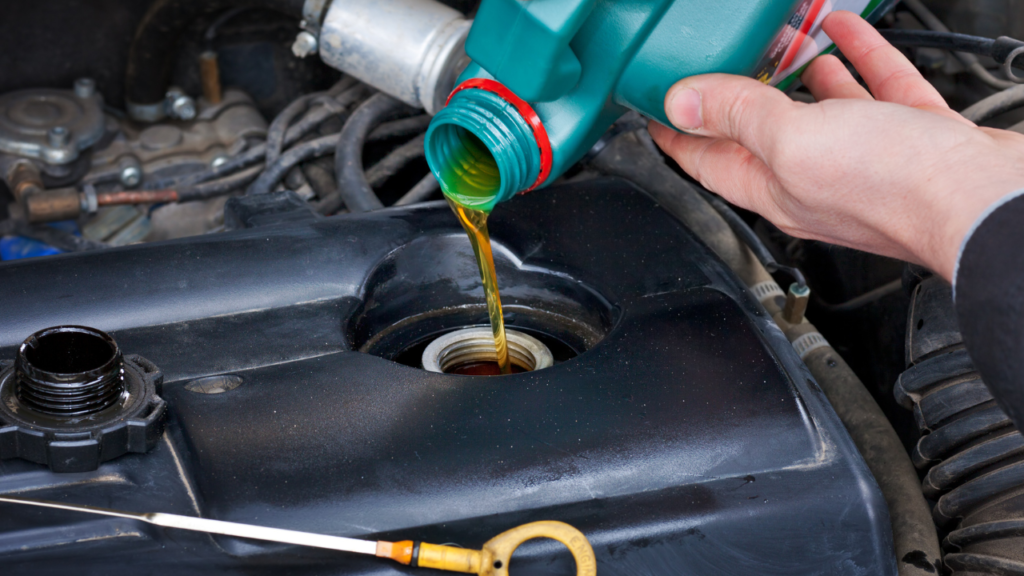
- Top off with the manufacturer-recommended oil.
- Inspect for cloudy oil, which can indicate water intrusion.
- Replace worn plugs or O-rings to preserve the seal.
A practical example: a contractor hauling equipment across long highway routes may prefer oil-bath hubs because they allow quick visual inspection during routine stops. That can save time during fleet checks and help identify contamination before it turns into a roadside repair.
For product fitment details, this reference is helpful: K71-148-00 hub cap product information.
Can I Change from Oil Bath to Grease on My Hotshot Trailer
Changing from oil bath to grease is possible in some cases, but it should not be treated as a simple cap replacement. The hub, spindle, seal, and bearing arrangement all need to be compatible with the new lubrication method. Some universal hub caps are designed for grease and oil bath applications, but that does not mean every axle can be converted safely without checking the full system.
Before converting a hotshot trailer, verify the following:
- The axle model is approved for both lubrication types.
- The hub and seal components support the conversion.
- The new cap and plug system matches the required thread and diameter.
- The maintenance team understands the new service procedure.
- The change will not void manufacturer guidance or create fitment issues.
In fleet operations, the wrong conversion can lead to heat buildup, bearing wear, or lubricant loss. For that reason, operators often decide to keep the original lubrication method and standardize maintenance instead of converting.
If you need compatibility guidance, this resource can help: Dexter K71-148-00 axle compatibility details.
Lubrication Grease or Oil
The grease-versus-oil decision depends on how the trailer is used and how often the hubs are inspected. Grease is thicker and tends to stay in place longer, which can be useful for traditional maintenance intervals. Oil moves more freely, making it easier to inspect hub condition and detect contamination early through a clear cap.
Here is a simple comparison:
- Grease: good for standard repack intervals, familiar to many service teams, and often preferred in more traditional setups.
- Oil: easier to visually inspect, useful for identifying moisture or debris quickly, and common in heavy-duty applications with inspectable hubs.
For business users, the best choice is not always the cheapest or simplest option. A trailer that runs continuously and needs fast turnaround may benefit from oil-bath inspection visibility, while a less frequently used unit may be fine with grease if the service schedule is consistent.
What the K71-148-00 Means for Maintenance
The k71-148-00 kit is designed to fit specific Dexter axle applications, and that means correct identification is essential before ordering parts or scheduling work. On compatible hubs, the kit includes the oil cap, O-ring, and plug needed to maintain the sealed lubrication system.
Key checks before replacement:
- Confirm axle capacity and model year range.
- Match the thread size and cap type.
- Inspect the O-ring and plug for wear.
- Ensure the cap style matches grease or oil service.
- Replace damaged parts before returning the trailer to service.
For fleet owners, keeping the correct cap in inventory can reduce downtime and prevent repeated maintenance errors. Standardizing part numbers also helps mechanics work faster and avoid mismatched components.
Conclusion
The K71-148-00 is a small part with a large role in bearing protection, hub sealing, and maintenance efficiency. Whether you are comparing k71-148-00 options for a single trailer or managing multiple units, the safest approach is to verify compatibility before changing lubrication methods or replacing caps.
In practice, the best maintenance strategy is the one that matches the axle design, the service environment, and the team’s inspection routine. If those three elements line up, bearing life improves, service intervals become more predictable, and trailer downtime is easier to control.